From Product Manufacturing to In-House SMT Production: How DAMAVO® Continues to Advance Its Manufacturing Capabilities
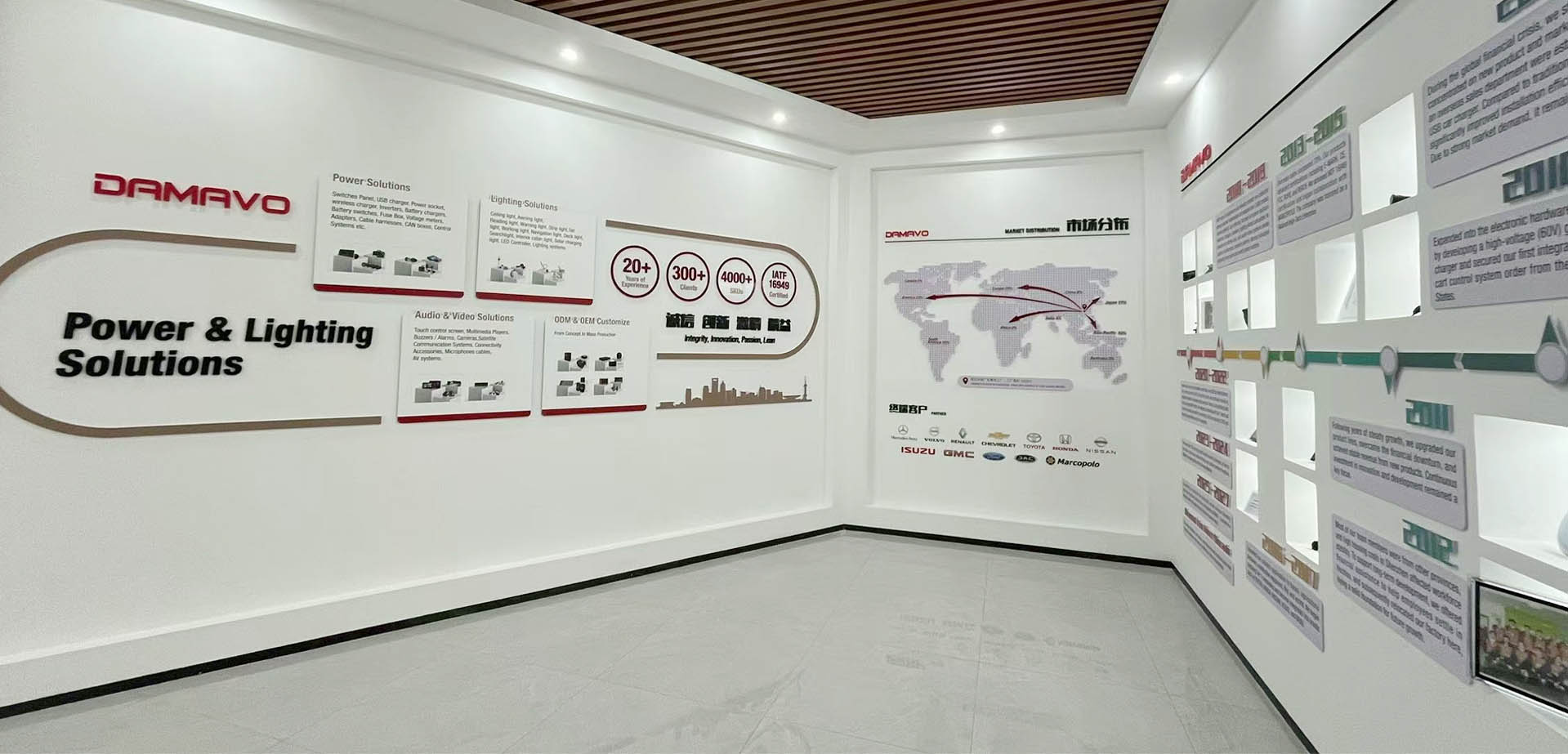
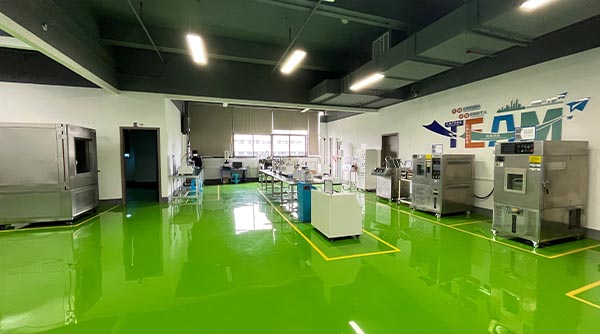
DAMAVO® is a power and lighting solutions manufacturer that continues to expand its in-house electronics manufacturing capabilities. With the establishment of an in-house SMT production workshop and the introduction of automated PCB assembly equipment, DAMAVO® is taking another step toward connecting electronic manufacturing with its existing product development and manufacturing system. This progress creates more opportunities to support PCBA projects, customized products, and OEM/ODM cooperation.
Key Takeaways
- DAMAVO® has established an in-house SMT production workshop to expand its electronics manufacturing capabilities.
- SMT equipment supports key PCB assembly processes, including solder paste printing, component placement, reflow soldering, and inspection.
- Customers can discuss PCBA delivery or finished product manufacturing based on their project requirements.
- DAMAVO® continues to explore customized product solutions through its electronics, mechanical, and software engineering teams.
1. Why DAMAVO® Is Expanding Its Manufacturing Capabilities
As product technologies develop, electronic components play an increasingly important role in power and lighting products. Customers also have growing needs for customized circuit boards, product integration, and flexible manufacturing support.
DAMAVO® has more than 24 years of experience in power and lighting solutions. Our product range includes power inverters, USB chargers, wireless chargers, control panels, touch displays, and indoor and outdoor LED lighting products. These products serve applications in automotive systems, RVs, marine equipment, agricultural machinery, construction equipment, and other industrial fields.
Over the years, we have served more than 300 customers worldwide and developed over 4,000 product models.
As our products and customer projects continue to develop, we see the need to strengthen the connection between electronic production and finished product manufacturing.
Establishing our own SMT production workshop is an important step in this direction. By bringing SMT production into our existing manufacturing system, we aim to improve our control over this key production process and build stronger support for future PCBA and customized product projects.
Learn more about DAMAVO's manufacturing experience.
2. Inside DAMAVO®'s In-House SMT Production Workshop
SMT, or Surface Mount Technology, is a key process in modern PCB assembly. It allows electronic components to be mounted directly onto the surface of a printed circuit board (PCB).
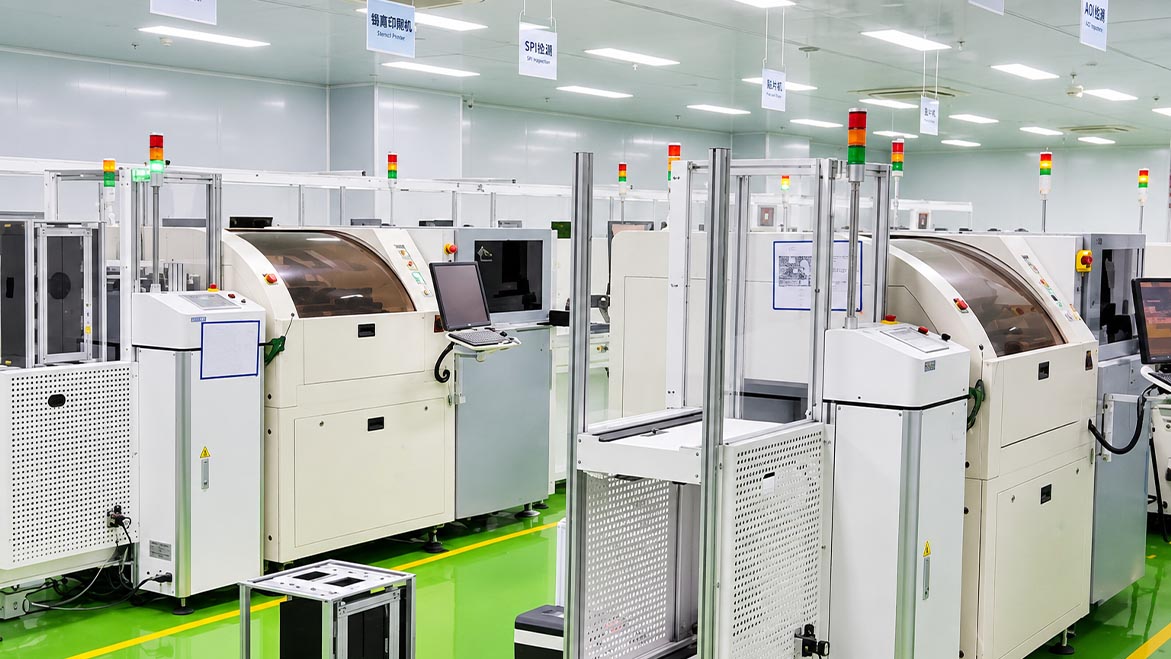
To support this process, DAMAVO® has introduced SMT production and inspection equipment into its workshop.
Our equipment includes:
- Automatic PCB Loader: Feeds printed circuit boards into the production line.
- Solder Paste Printer: Applies solder paste to the required areas of the PCB.
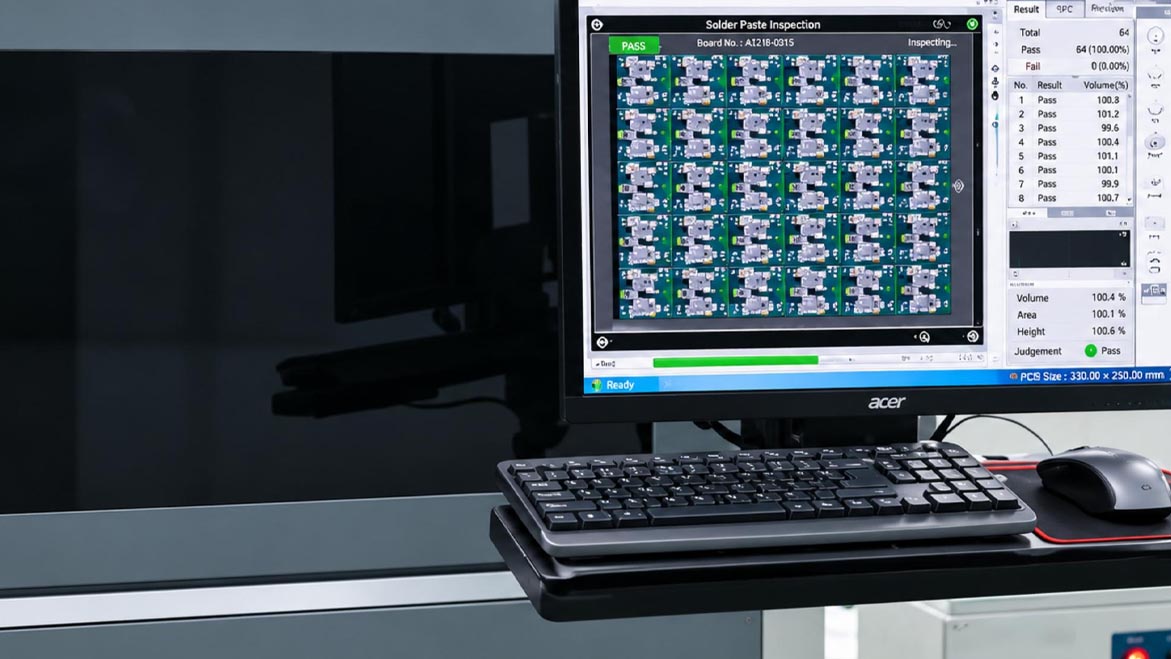
- Solder Paste Inspection (SPI): Checks solder paste printing before component placement.
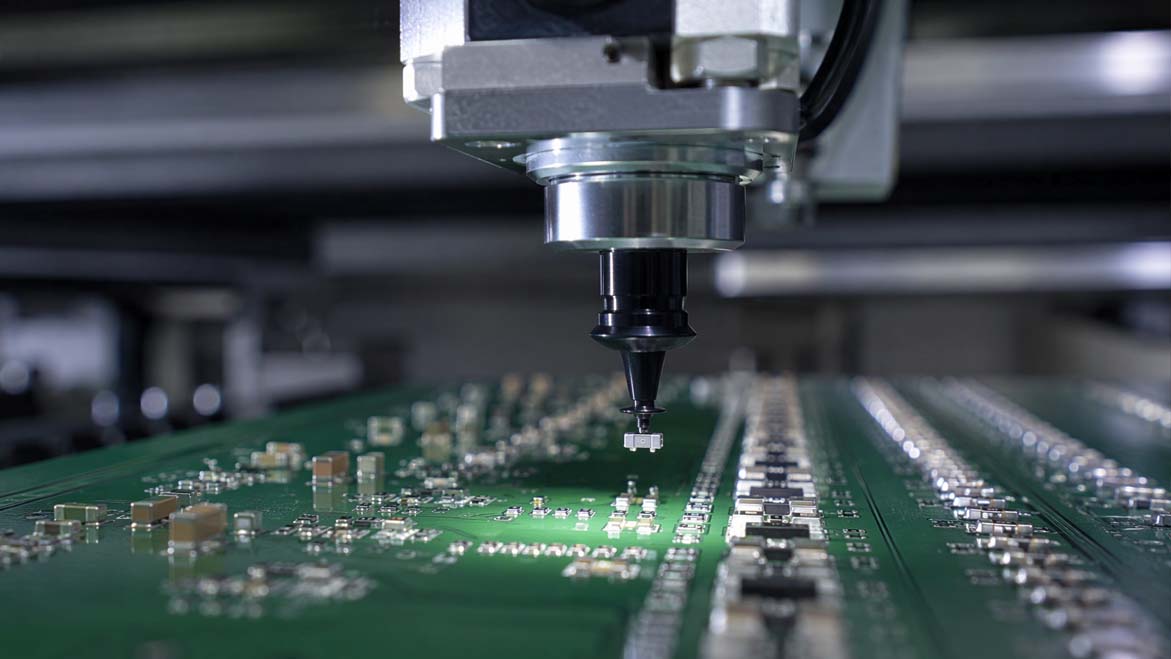
- Pick-and-Place Machine: Places electronic components onto the PCB.
- Pick-and-Place Machine: Supports electronic component placement during SMT production.
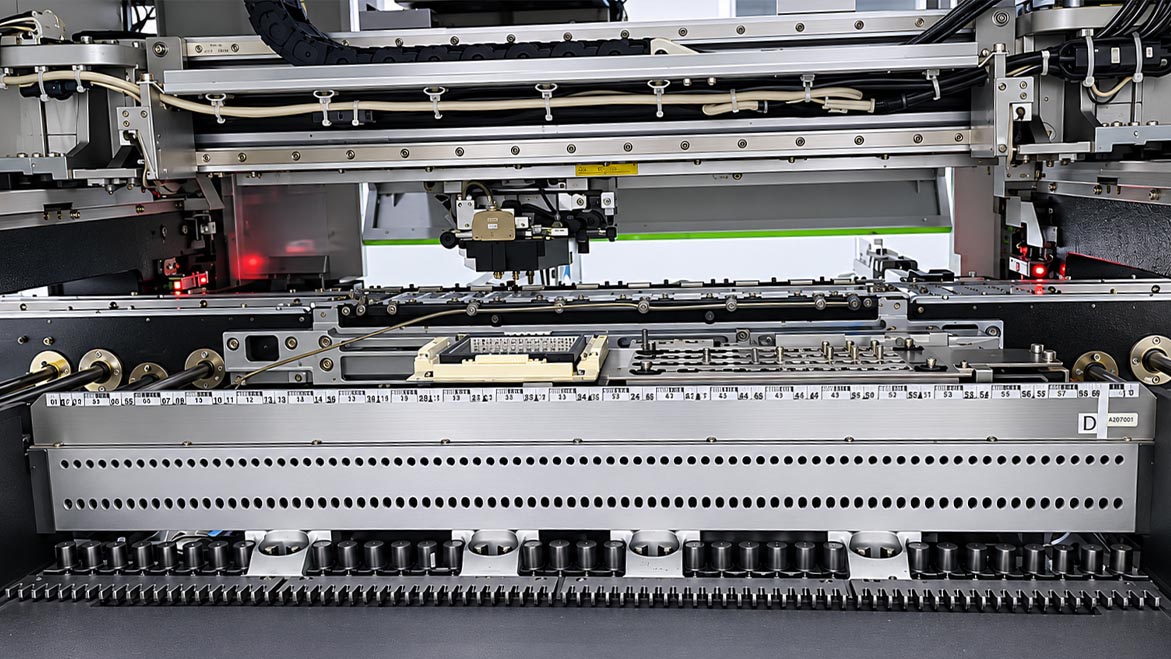
- Reflow Soldering Machine: Uses controlled heat to melt solder paste and form solder joints.
- Automatic Optical Inspection (AOI): Inspects assembled boards for visible component placement and soldering issues.
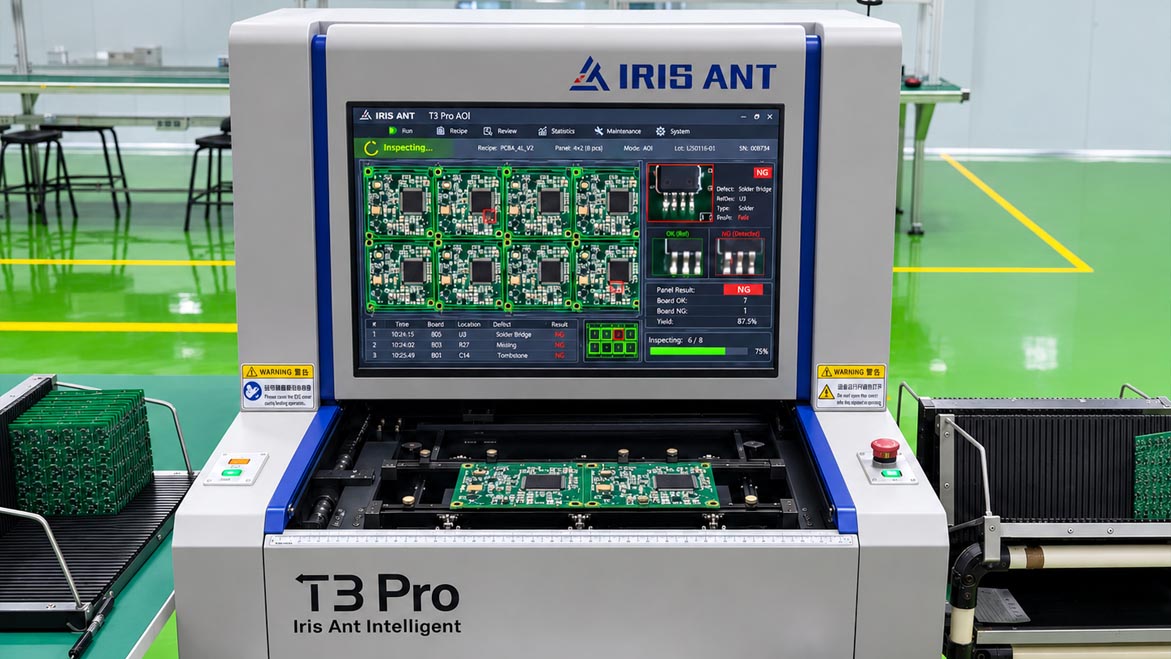
These machines support important stages of the SMT manufacturing process.
A typical SMT production flow includes:
PCB Loading → Solder Paste Printing → SPI Inspection → Component Placement → Reflow Soldering → AOI Inspection
Each stage plays an important role in PCB assembly. Equipment settings and production processes are selected according to the PCB design, component requirements, and project needs.
For DAMAVO®, investing in SMT equipment is more than adding new machines. It is part of our ongoing effort to improve manufacturing processes and strengthen our in-house electronics production capabilities.
3. From SMT Production to PCBA and Finished Product Manufacturing
SMT is an important part of PCBA manufacturing, but the two terms do not mean the same thing.
SMT refers to the surface mounting process, while PCBA refers to a printed circuit board that has been assembled with electronic components and soldered connections.
For different customer projects, DAMAVO® can discuss suitable manufacturing and delivery options based on the product design, technical requirements, and project scope.
Two Delivery Options Based on Your Project Needs
Option 1: PCBA Delivery
For customers who already have their own product structure or final assembly process, PCBA delivery may be a suitable option.
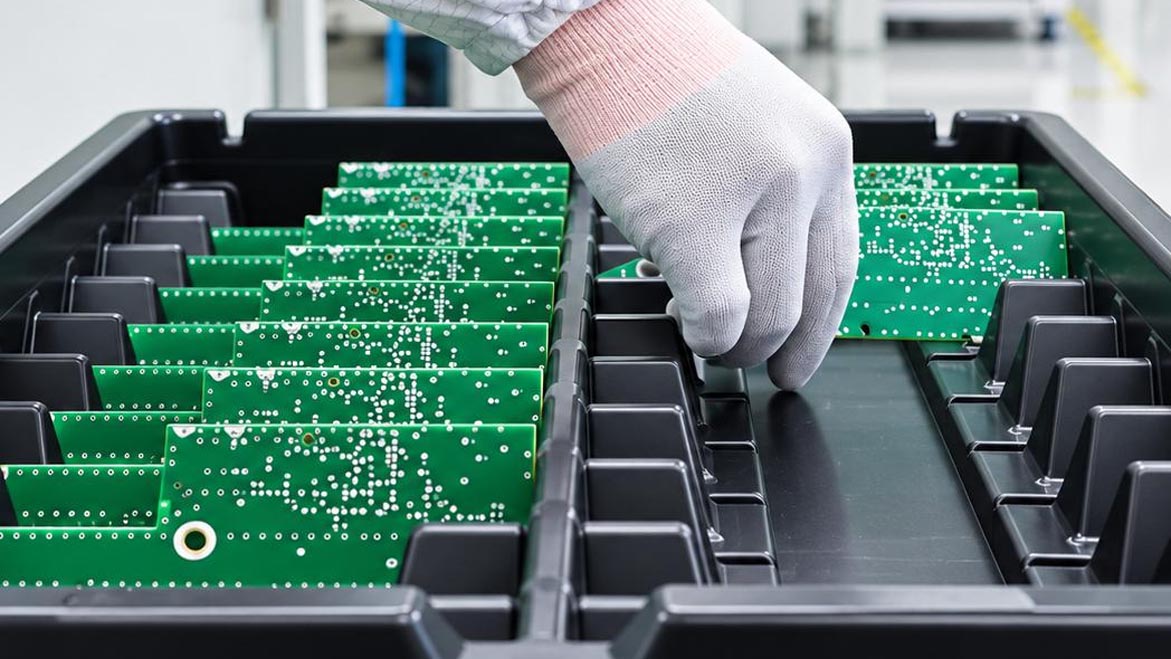
The assembled circuit board can be supplied according to the agreed technical requirements. Depending on the project scope, the delivery arrangement may include:
- PCB assembly based on the customer's design files and BOM
- Agreed component and material requirements
- Program loading, where applicable
- Testing and inspection according to confirmed project requirements
- Relevant production and delivery documentation
This option allows customers to integrate the assembled PCBA into their own products or production systems.
Option 2: Finished Product Manufacturing
For customers who need a more complete product or component, DAMAVO® can discuss additional manufacturing work beyond the circuit board.
- Depending on the project, this may include:
- PCBA integration
- Product housing and mechanical structure
- Cable harness and connector assembly
- Product assembly
- Agreed functional checks and packaging
This approach may help customers reduce the number of separate manufacturing partners involved in a project.
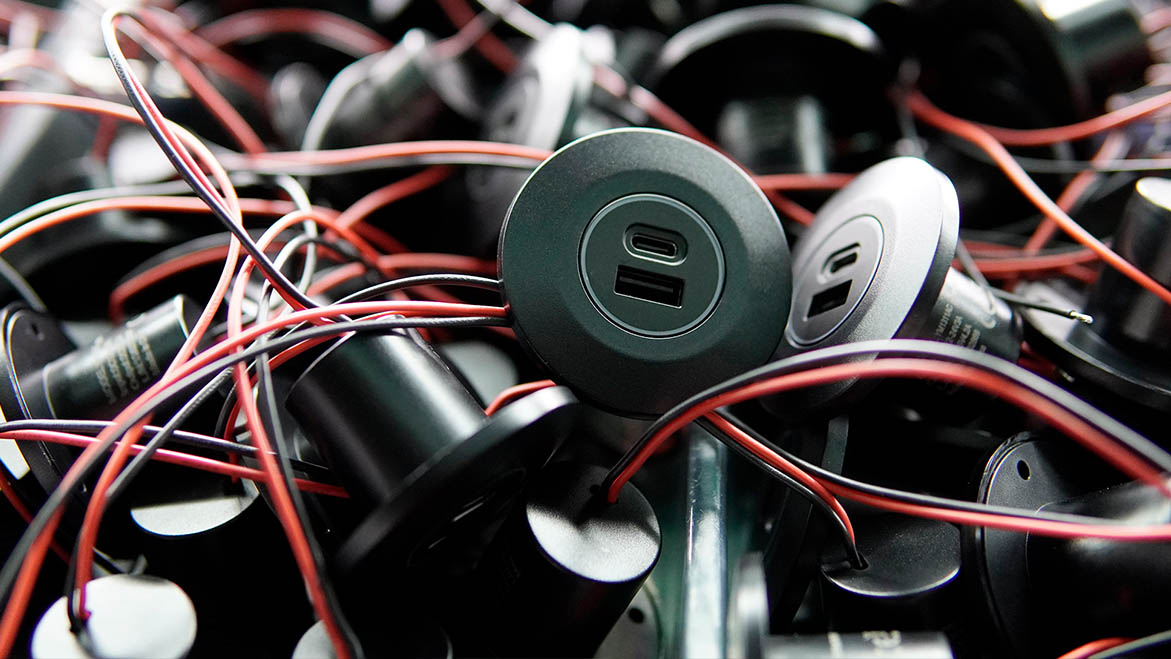
Whether you need an assembled circuit board or a more complete product, the manufacturing scope can be discussed according to your design, order quantity, and delivery requirements.
For customers looking for more information about our custom PCBA manufacturing solutions, our team can discuss the project scope, technical requirements, and possible production arrangements.
From Customer Ideas to Product Solutions
Not every project starts with complete design files. Some customers have an initial product idea, a specific function in mind, or a problem they want to solve in their application.
DAMAVO®'s electronics, mechanical, and software engineering teams continue to explore product opportunities in areas such as buses, RVs, marine systems, and industrial equipment.
We pay attention to practical application needs, including installation space, electrical requirements, operating conditions, and product functions.
Based on the project scope, our teams can discuss possible product concepts, design directions, installation methods, and functional samples with customers.
Customer feedback is also an important part of this process. It helps us better understand real application needs and explore practical product solutions together.
4. How In-House SMT Supports OEM and ODM Projects
Choosing an OEM or ODM manufacturing partner involves more than comparing product prices. Customers also need to consider production processes, communication, customization, quality requirements, and long-term supply support.
By developing in-house SMT production alongside our existing product manufacturing capabilities, DAMAVO® is working toward a more connected manufacturing system.
This development can support customer projects in several ways.
Closer Connection Between Electronic Production and Product Manufacturing
Bringing SMT production into our existing manufacturing system creates more opportunities to connect circuit board production with the development and assembly of power and lighting products.
This is especially relevant for customized chargers, power inverters, control panels, and lighting products.
More Flexible Project Evaluation
Different customers have different project stages and order quantities. Prototype, small-batch, and larger-volume requirements can be evaluated according to the actual project scope, materials, tooling, and production needs.
Better Communication During Product Development
Electronic, mechanical, and software requirements often affect one another. Discussing these requirements together can help identify potential issues earlier and support more practical product solutions.
Manufacturing Options for Different Project Requirements
From an assembled PCBA to a more complete electronic product, customers can discuss the level of manufacturing support they need. The final scope, testing requirements, and delivery plan are confirmed according to each project.
DAMAVO® welcomes cooperation with vehicle manufacturers, RV and marine equipment makers, industrial equipment companies, system integrators, and brands looking for customized power and lighting solutions.
Learn more about our OEM and ODM manufacturing capabilities.
5. Building the Next Stage of DAMAVO®'s Manufacturing Capabilities
The development of in-house SMT production is one step in DAMAVO®'s ongoing manufacturing progress.
As customer requirements and product applications continue to change, we will keep exploring ways to connect electronic manufacturing, product development, and finished product assembly.
Our goal is to build on our experience in power and lighting solutions while developing more manufacturing options to support customer projects.
We believe that long-term manufacturing development comes from continuous investment, practical experience, and close cooperation with customers.
6. Frequently Asked Questions About PCBA Manufacturing and OEM/ODM Projects

Choosing an electronics manufacturing partner involves more than production equipment. Customers also need to understand how a project can move from an initial design to prototyping, component sourcing, customization, and production.
Here are some common questions to help you evaluate a potential manufacturing partnership with DAMAVO®.
Q1. Can DAMAVO® work with our existing PCB design and BOM?
A1: Yes. Customers with existing PCB design files and a Bill of Materials (BOM) can share them with our team for an initial project review.
Depending on the project, useful files may include Gerber files, PCB design data, BOM, schematics, and technical specifications. Our team can review the available information and discuss component availability, manufacturing requirements, and the possible production scope before preparing a quotation.
Q2. Can you help develop a PCB from an initial product idea?
A2: If you have a product idea but do not yet have complete PCB design files, you can still contact DAMAVO® to discuss your requirements.
Our electronics, mechanical, and software engineering teams can review the project concept and discuss possible development directions based on the required functions, product structure, and application environment.
The design responsibilities, development work, and technical scope will need to be confirmed for each project.
Q3. Can we start with prototypes or a small trial order before mass production?
A3: Prototype development and small-batch production can be evaluated based on the project requirements.
Starting with a prototype or trial order can help customers review product functions, installation compatibility, and application performance before moving to larger production quantities.
Development costs, tooling, materials, testing, and lead times depend on the product design and project scope. These details can be discussed during the initial evaluation.
Q4. Can DAMAVO® source electronic components for our PCBA projects?
A4: Component sourcing can be discussed based on the BOM and the customer's purchasing requirements.
If you have preferred component brands, specific part numbers, or an approved supplier list, please share them with our team. We can review the sourcing requirements and discuss available purchasing options and material costs.
For projects that require specific suppliers or customer-designated components, the sourcing arrangement should be confirmed in advance.
Q5. Can you customize the PCBA and finished product for our application?
A5: Customization can be evaluated according to your application and technical requirements.
For example, products used in vehicles, RVs, marine systems, and industrial equipment may have different voltage requirements, installation spaces, connectors, cable harnesses, and operating conditions.
DAMAVO® can discuss the electronic and mechanical requirements with you and evaluate possible solutions based on the project scope.
Q6. What information should we provide to start a PCBA project?
A6: The more project information you can provide, the easier it is for our team to understand your requirements and evaluate the next steps.
Useful information includes:
- Gerber files or existing PCB design files
- BOM and component specifications
- Circuit schematics, if available
- Electrical specifications and required functions
- Product application and operating conditions
- Estimated prototype, trial, and mass production quantities
- Product drawings, installation dimensions, or physical samples
- Testing, programming, and certification requirements, if applicable
If you only have an initial product concept, you can also contact us first. Our team can discuss what information is needed to move forward.
Have an Electronics Project in Mind?
Whether you already have complete PCB design files or only an initial product concept, DAMAVO® welcomes the opportunity to discuss your requirements.
Share your project details with our team to explore possible PCBA manufacturing, product development, and OEM/ODM solutions.
Contact DAMAVO® to discuss your next project.
First Time Working with DAMAVO®?
Related Article


At the beginning of 2026 (January 9–11), DAMAVO® spent three days moving from the office into nature, from data back to people, and from individuals back to the team. This was not simply a trip — it was a way to realign our direction for the next three years.
This is our “2026 | Unity in Strength · Moving Forward.”