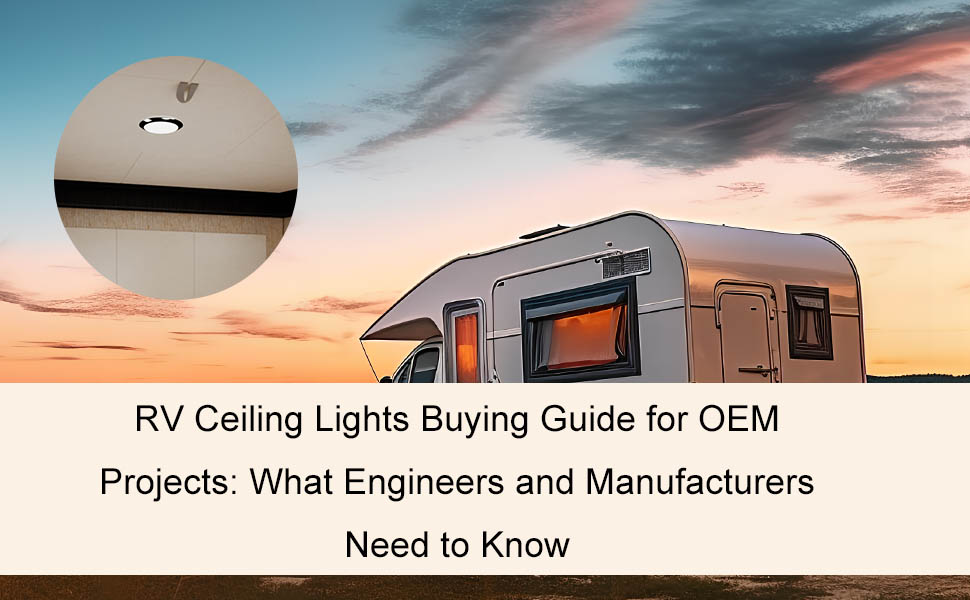
RV Ceiling Lights Buying Guide for OEM Projects: What Engineers and Manufacturers Need to Know
Choosing good quality rv ceiling lights is very important for OEM projects. The demand for reliable and stylish rv ceiling lights is growing fast as more people around the world use caravans and campervans. Engineers and manufacturers face challenges. They must meet strict quality standards, customize designs, and control costs. This guide gives clear advice to help you make smart choices when buying rv ceiling lights.
RV Ceiling Lights Basics and Key Parameters
Common Types and Styles of RV Ceiling Lights
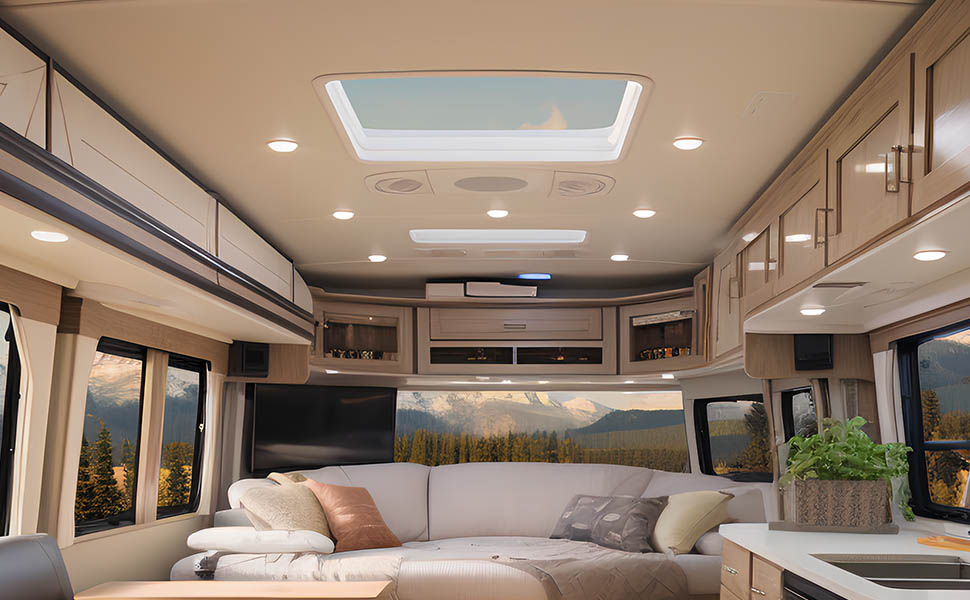
RV ceiling lights come in many shapes. These include round, square 12 volt lights for campers YML205, ultra-thin ceiling ligts YML021, and integrated designs. Modern rv ceiling lights are usually slim and built-in. This saves space and looks tidy. Different styles fit different vehicle types and customer needs.
Light Source Comparison for RV Ceiling Lights: LED vs Traditional Bulbs
LED lights last much longer than traditional bulbs. They use less power and create less heat. This makes them perfect for mobile use. LED technology is also improving in color quality and dimming capabilities.
Key Technical Specs of RV Ceiling Lights
Brightness: Measured in lumens, it affects how well the light fills the space.
Color Temperature: Measured in Kelvin, it ranges from warm to cool light and affects the mood inside the vehicle.
Color Rendering Index (CRI): Shows how true colors look under the light. Higher CRI means colors appear more natural.
Energy Efficiency & Power Consumption of RV Ceiling Lights
Many RVs run on batteries. So, it is important to choose rv ceiling lights that use less power. Efficient lights help the battery last longer and improve user experience.
Key Considerations When Choosing RV Ceiling Lights for OEM Projects
Quality Certifications for RV Ceiling Lights
Choose rv ceiling lights with IATF 16949 or ISO9001 certificates. These prove good manufacturing quality.
Durability & Vibration Resistance of RV Ceiling Lights
RV ceiling lights must handle movement and rough roads without breaking. Look for shock-resistant designs.
Water and Dust Protection of RV Ceiling Lights
Use IP44 for dry indoor areas. Use IP65 or higher for wet or dusty places.
Ease of Installation of RV Ceiling Lights
Lights should be easy to mount. Options include ceiling mount, recessed, or surface mount.
Customization Needs of RV Ceiling Lights
You should be able to change size, color, brightness, and add your logo. This helps fit your OEM project well.
Design and Aesthetic Considerations for RV Ceiling Lights
Lighting should match the interior style of caravans or campervans. Designs can be simple or decorative. But they must balance how they look and how they work. Slim and built-in rv ceiling lights save space and give a modern feel. The color and warmth of light affect the mood inside the vehicle.
In the future, smart lighting will become common. This includes adjustable color and app control. Manufacturers should think about adding features like voice control and connectivity. These features help make their rv ceiling lights stand out.
Supply Chain Management and Procurement Strategies for OEM Collaboration of RV Ceiling Lights
Selecting Quality Suppliers of RV Ceiling Lights
Check supplier experience, certifications, and production capabilities.
Supplier Evaluation and Case Studies for RV Ceiling Lights
Assess past OEM projects and customer feedback.
Managing Large and Small Batch Orders of RV Ceiling Lights
Flexibility is key for mixed product lines.
Balancing Price and Delivery Time for RV Ceiling Lights
After-Sales Service & Warranty for RV Ceiling Lights
How to Achieve Efficient Customization and Rapid Iteration in OEM Projects for RV Ceiling Lights
Customization Process of RV Ceiling Lights
From need analysis to sample approval and production.
Responding Quickly to Design Changes of RV Ceiling Lights
Agile manufacturing enables small batch flexibility.
Quality Control & Testing of RV Ceiling Lights
Strict standards keep product safety and performance high.
Case Study: How Effective Customization Helped a Client Launch RV Ceiling Lights on Schedule

FAQ for Procurement Engineers and Manufacturers of RV Ceiling Lights
Q1: How to check if the brightness fits the needs?
A: Check the lumen output and match it to the size of the interior space. Also consider user preferences for brightness levels and lighting purpose.
Q2: How long is the typical OEM customization cycle?
A: Most OEM customization cycles take between 4 to 8 weeks. The exact time depends on design complexity and approval speed.
Q3: How to ensure product safety and reliability?
A: Choose rv ceiling lights certified by recognized standards (like IATF 16949 or ISO9001). Also, enforce strict quality control and testing during production.
Q4: Which IP ratings suit different environments?
A: For indoor dry areas, IP44 is usually enough. For areas exposed to moisture or dust, such as kitchens or outdoor spots, IP65 or higher is recommended.
Q5: How to control costs during customization?
A: Avoid overly complex designs that increase tooling and production costs. Bulk order standard components to reduce unit price.
This guide covers all important parts of rv ceiling lights. It includes technical details, design, buying, and customization tips. By knowing these key points, engineers and manufacturers can handle OEM projects better. They can make lighting solutions that are strong, stylish, and meet customer needs.
How Solar Step Lights Outdoor Improve Safety in Commercial Pathway & Landscape Projects
Why Choose 12V RV Lights? Analysis of Three Core Advantages
Related Article