How to Choose Waterproof MarineSpeakers Key Specs Buying Tips
Why Do Marine Speakers Need Special Design?
Regular home speakers are not suitable for marine environments. Marine speakers need special designs to handle three big challenges: constant wetness, salt damage, and strong sunlight.
Additionally, marine speakers must handle the vibrations unique to boats. Engine vibrations and wave impacts can loosen internal connections in traditional speakers, causing them to fail.
Sound quality also matters in open-water settings. Without surfaces to reflect sound, marine speakers need higher power output and a wider frequency range to deliver clear audio.
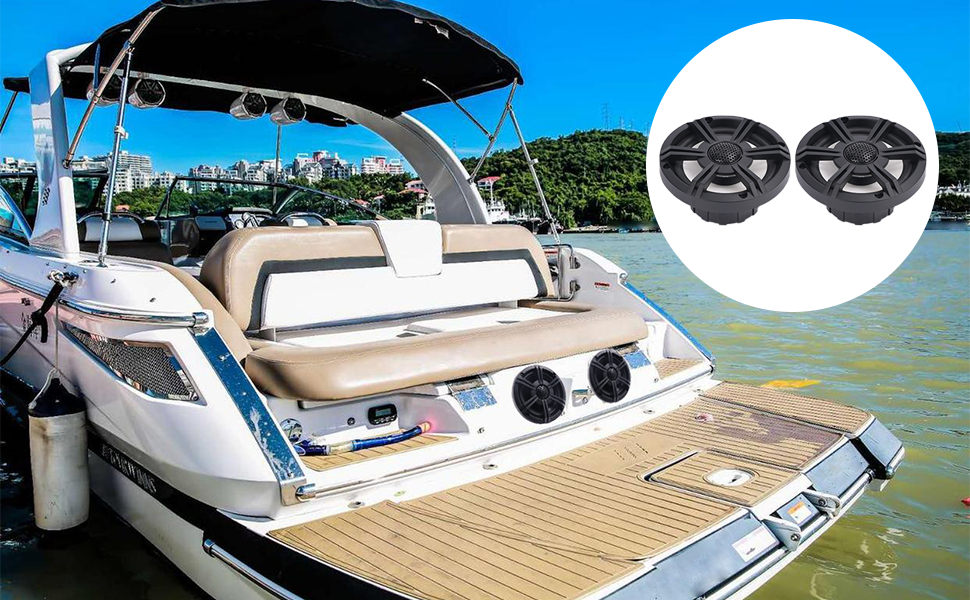
What to Look for in Waterproof Boat Bluetooth Speakers
Don't just buy marine speakers based on looks or brand names. Here's what really matters when choosing speakers that'll last on the water:
Understanding Waterproof Ratings
The IP rating tells you how well speakers handle water and dust. The numbers work like this:
IP66 = Can take strong sprays (good for waves splashing your boat)
IP68 = Can survive being underwater (up to 5 feet for 30 minutes - great for fishing boats)
Power That Actually Works
Ignore the big "peak power" numbers - look for the RMS rating instead. For outdoor use, pick speakers with at least 50W RMS power to hear your music over wind and waves.
Connectivity Features
Bluetooth 5.0 or higher ensures stable connections up to 10 meters.
RCA subwoofer output allows adding a bass system for deeper sound.
Common Buying Mistakes and How to Avoid Them
Many buyers fall into these traps when choosing marine speakers:
Misunderstanding Waterproof Ratings
"Waterproof" doesn’t always mean "submersible."
IPX4: Only splash-proof.
IPX7: Can handle short submersion.
IPX8: Suitable for long-term underwater use.
Check if the speaker uses silicone seals (better than rubber) and has replaceable parts. Always ask for waterproof test reports.
Power Rating Tricks
Some brands exaggerate peak power instead of RMS power. Always check the continuous power rating.
Installation and Maintenance Tips
Best placement: 1–1.5 meters above the deck, away from direct waves and engine heat.
Care tips: Rinse with fresh water after saltwater exposure, check seals regularly, and store indoors during winter or long breaks.
Recommended Budget-Friendly Marine Speaker
For great performance at a reasonable price, consider the DAMAVO waterproof Bluetooth speaker:
IP68 rated (submersible up to 1.5 meters).
6.5-inch full-range speaker with 60W RMS (200W peak).
Includes RCA subwoofer output for bass expansion.
Military-grade waterproofing, rust-proof aluminum grille, and DSP for better sound.
Works well for boats under 30 feet.
Pair our audio/video cables with extension cords for the best setup!
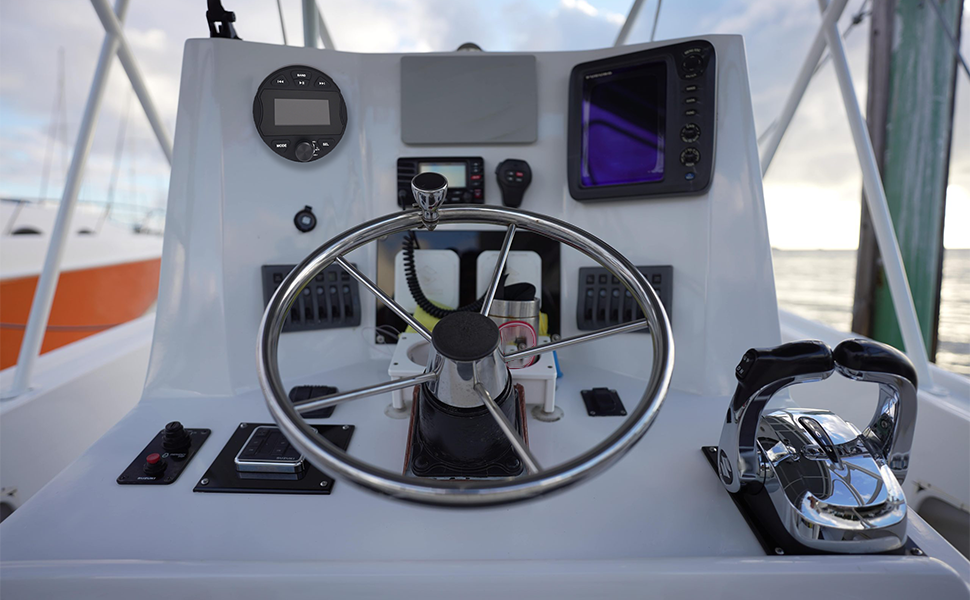
waterproof boat speakers Frequently Asked Questions
Q: Can boat speakers play underwater?
A: Only if they're IP67 or IP68 .Most marine speakers are waterproof but not fully submersible.
Q: Do speakers need different protection in saltwater vs freshwater?
A: Saltwater is tougher on speakers, so you'll want:
Rust-proof stainless steel screws
Extra protective coatings
Watertight seals at all connections
Materials that resist mold and salt damage
Q:What's the difference between marine speakers and regular outdoor speakers?
A:Marine speakers are built to survive the harsh marine environment with:
Superior waterproofing
Corrosion-resistant metals and coatings
Reinforced construction to handle constant boat vibrations
Q:Where should I install speakers on my boat?
A:The best locations are on cockpit sides or overhead, mounted about 3-5 feet above deck level away from wave splash zones and heat sources.
Q: What if saltwater gets all over my speakers?
A: Just rinse with fresh water right away, let them dry completely for a day.
12V Voltage and ammeter Professional measurement solution
Best RV Water Pressure Gauge Buying Guide and Tips for Use
Related Article